
North Texas Winter Pond Care: Do I Need to Winterize My Pond?
November brings a welcome change to Dallas–Fort Worth backyards. Summer heat fades, leaves begin to fall, and evenings feel cooler. Your pond is changing, too. Fish may swim more slowly, plants may turn brown, and you may wonder what to do before winter arrives.
Do you need to shut everything down? Should you keep feeding your fish? Can your waterfall keep running?
North Texas winter pond care starts with a few simple steps. Your pond may not need a full winter shutdown, but it still needs some attention. The goal is to clear out waste, adjust fish care, and have a plan for freezing weather.
Why North Texas Winter Pond Care Starts in Fall
A mild afternoon can make winter feel far away. Still, getting ready while the weather is pleasant is much easier than working outside during a freeze.
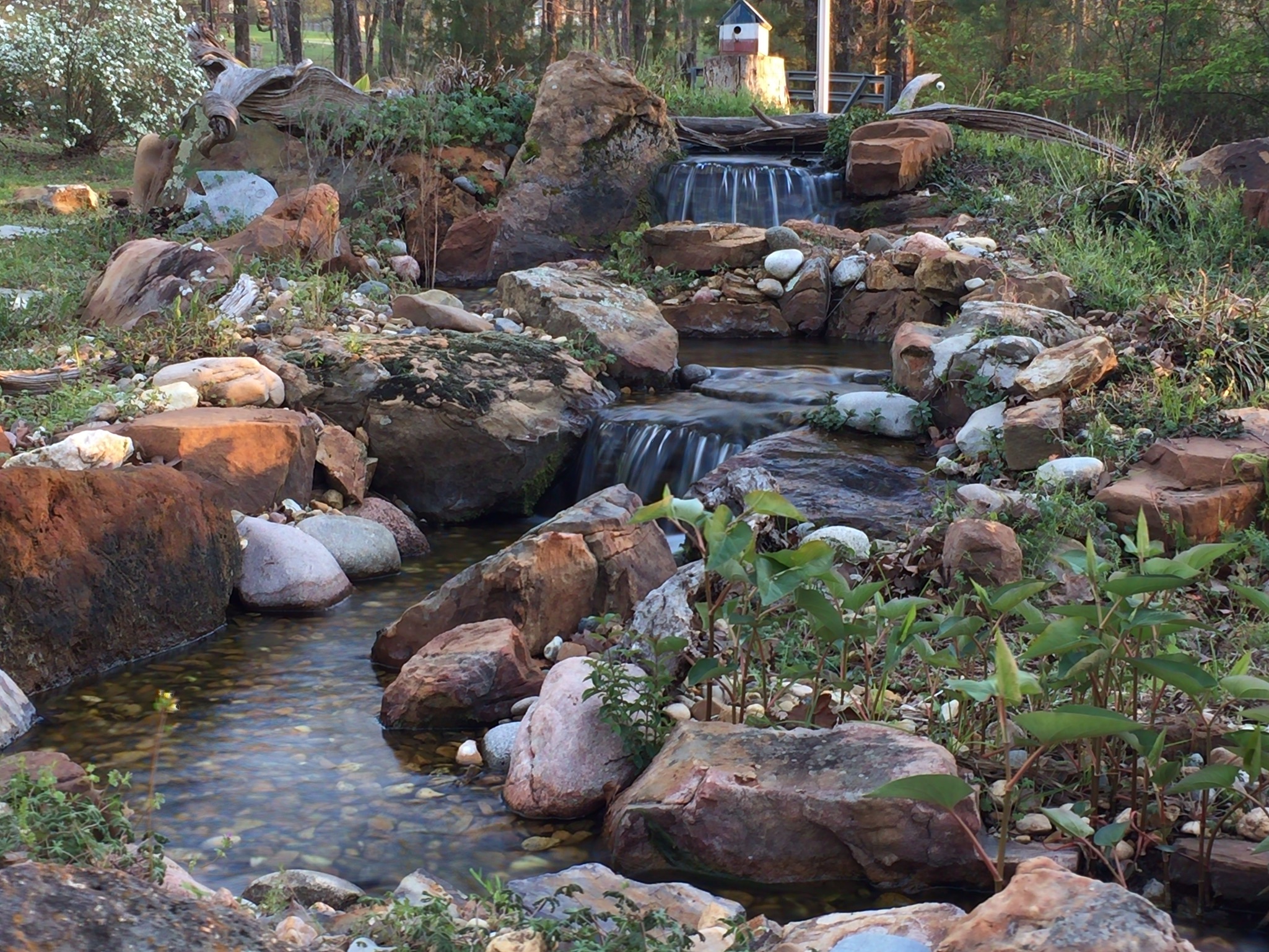
Start by taking a slow walk around your pond. Look for leaves caught between rocks, dead plant stems, and anything blocking the water’s path. Notice whether your waterfall looks weaker than usual or the water level seems low.
These small checks give you time to spot a problem before cold weather makes it harder to fix.
You do not need to make every change at once. Let the water temperature, plant growth, and weather forecast guide you.
Clear Out Leaves Before They Sink
A few floating leaves may look pretty, but a thick layer on the pond bottom creates extra cleanup. As leaves break down, they add waste to the water.
Use a pond net to gently scoop out leaves while they are easy to reach. Check around the edges, under nearby plants, and along the stream.
If trees hang over your pond, a well-secured leaf net can help catch leaves before they land in the water. Keep it stretched above the surface, and remove collected leaves often so it does not sag.
The goal is to keep heavy piles of leaves from building up. You do not need to remove every leaf the moment it falls.
North Texas Winter Pond Care for Koi and Goldfish
Your fish may rush over for food all summer, then seem less interested as fall moves along. Cooler water slows their bodies down, so they need less food.
Use a pond thermometer instead of judging by the air temperature. A warm afternoon does not always mean the pond water is warm enough for feeding.
As water cools into the 50s, use a cold-water fish food and feed lightly according to its directions. Stop feeding when the water reaches about 50°F or below.
Do not offer extra food because you worry your fish are hungry. Healthy koi and goldfish in a suitable pond can go without added food during cold weather. Uneaten food only adds waste. Wait for water temperatures to stay safely above the feeding limit before starting again.
Trim Plants Without Clearing Everything Away
Some pond plants stay attractive well into fall. Others begin to fade as the weather cools.
Trim off dead leaves and stems before they fall into the water. Remove soft, brown growth, but leave healthy green growth in place.
Different plants need different care. Hardy water lilies can often stay in the pond through winter when placed at a suitable depth. Tropical plants may need to move indoors or be replaced next season.
If you are unsure what you have, identify the plant before cutting it back or moving it. A quick question now can help you avoid throwing away a plant that would return in spring.
Can Your Waterfall Keep Running Through Winter?
Many ponds can keep running during cooler weather, but the right choice depends on the pond’s design, equipment, and the cold ahead.
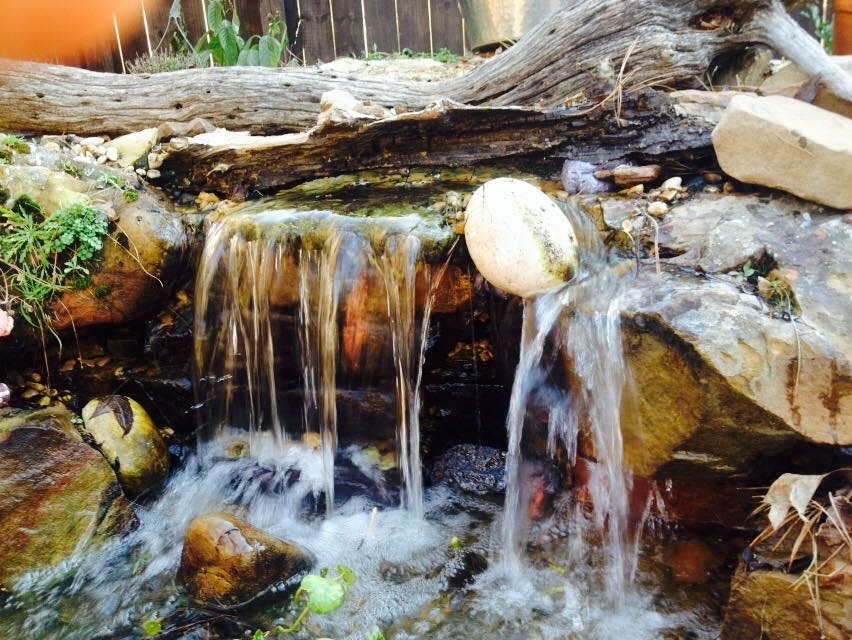
A running waterfall still needs regular checks. Ice can build along a stream or waterfall and push flowing water outside the pond. That can lower the water level and put the pump at risk.
During freezing weather, check that water is returning to the pond and that the pump has enough water.
If you plan to turn the waterfall off, follow the equipment maker’s winter storage steps. Some pumps and exposed parts need to be removed, drained, or protected. Fish will also need a plan for air exchange if the surface freezes.
Plan Ahead for a Frozen Surface
North Texas winter pond care should include a plan for a longer cold snap. Moving water does not promise that the entire pond will stay ice-free.
If you keep fish, the goal is to maintain an opening in the ice so gases can escape. You do not need to heat the whole pond.
A pond aerator or pond de-icer may help, depending on the pond and the weather. A de-icer keeps a small area open rather than warming all the water.
Choose equipment made for outdoor ponds, and follow its placement and safety directions. It is much easier to have the right equipment ready before a freeze begins.
Make November Pond Checks a Simple Habit
You do not have to spend hours outside each week. A short check can help you notice changes early.
Keep this list handy:
- Remove fallen leaves and dead plant growth.
- Check the water temperature before feeding fish.
- Watch the water level and waterfall flow.
- Look for blocked water paths.
- Review your pond’s needs before a hard freeze.
Planning to travel for Thanksgiving? Leave clear care notes for anyone checking the pond. Include feeding rules and a number to call if the pump stops.
Get Help with North Texas Winter Pond Care
Every pond is a little different. Its size, depth, fish, and equipment all help shape the best winter plan.
If you are unsure whether to keep your waterfall running or how to prepare for a freeze, contact FNC Ponds to discuss your pond.
A little care in November can help you head into winter with fewer questions—and more time to enjoy the view.